

When a couple decides to get married, one of the first aspects to define is not the dress, the location, or the style of the reception, but the type of ceremony. The moment of the “yes” represents the heart of the entire day and contains the deepest meaning of the wedding. Understanding the difference between a religious wedding, civil wedding, and symbolic wedding is essential to build a marriage consistent with your own story, values, and the way you want to live and share love.
Each type of wedding expresses a different vision of the couple’s union. It is not simply a formal or bureaucratic choice, but a decision that influences the atmosphere, the pace of the day, and the emotional experience of the spouses and guests. For this reason, it is important to deeply understand what really changes between the different ceremonies, going beyond superficial definitions.
Religious wedding
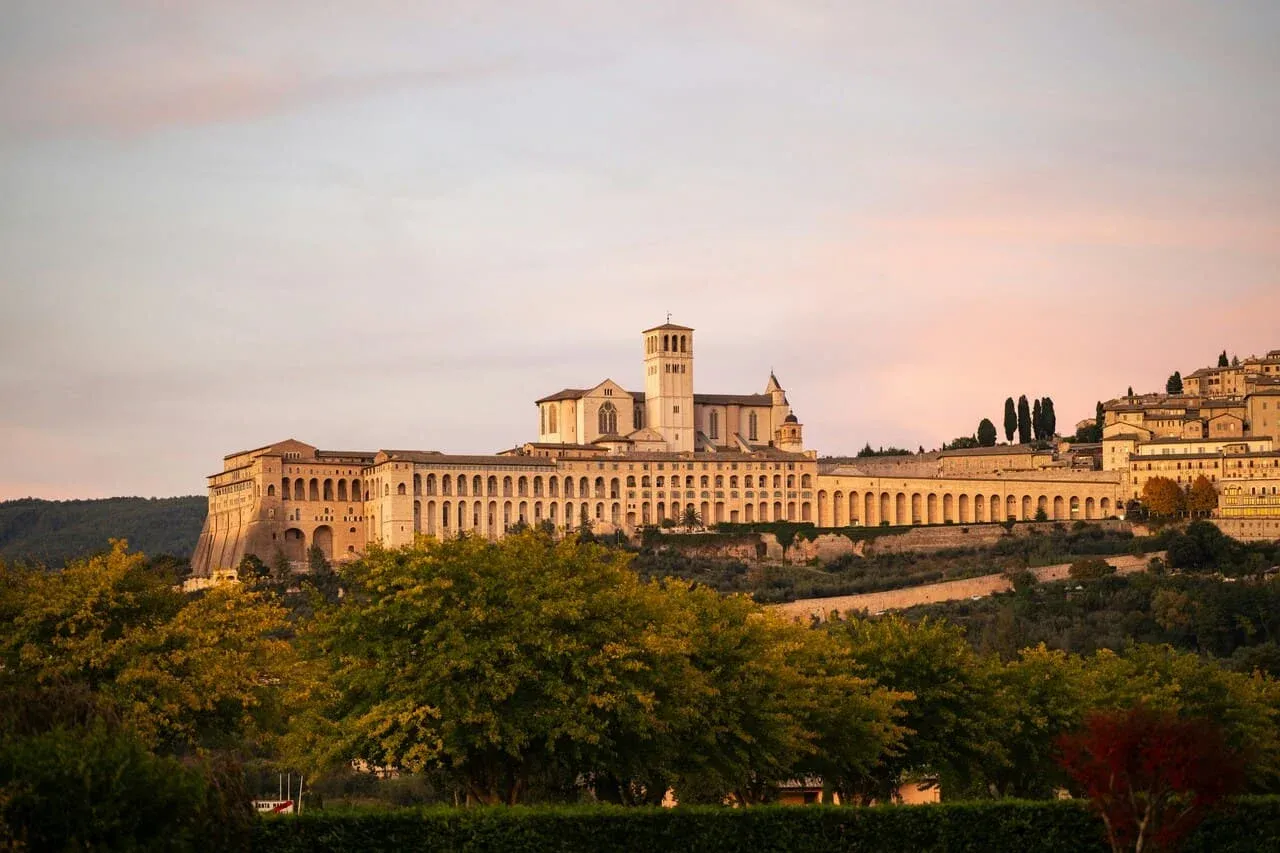
The religious wedding is a choice deeply connected to tradition and spirituality. In Italy, the most common form is Catholic, celebrated inside a church and officiated by a priest. This rite not only represents a symbolic moment, but also has legal value thanks to the registration of the marriage certificate in the civil registers. For many couples, getting married in a church means placing their love story within a broader journey, one that unites faith, family, and community.
The religious ceremony is characterized by a well-defined rituality, made up of symbols, readings, and codified moments that repeat over time. This structure gives solemnity and intensity to the rite, creating an atmosphere full of emotion. The music, the church’s architecture, and the attentive silence contribute to making the moment of the yes particularly evocative. However, the religious marriage also requires adherence to certain precise rules, such as attending premarital courses and the absence of canonical impediments. It is a choice that presupposes a genuine connection with faith and the spiritual meaning of the sacrament.
Civil marriage
Alongside the religious aspect, the civil marriage represents an increasingly appreciated solution for its simplicity and flexibility. Celebrated by a civil registrar, it has full legal value and is recognized by the State as the only necessary act for the marital union. For a long time, it was perceived as a cold and formal rite, but today this view has profoundly changed.
More and more Italians provide evocative locations of great historical or scenic value, transforming the civil marriage into an elegant and carefully curated ceremony. Municipal villas, historic buildings, gardens, and outdoor spaces allow the yes moment to be experienced in a romantic and refined setting. Civil marriage also allows greater freedom in choosing readings, music, and the overall tone of the ceremony, while maintaining an official structure. It is an ideal solution for couples who want a legally recognized union without religious references but with strong emotional value.
The symbolic marriage
The symbolic wedding is distinctly different from the other two types due to its complete freedom of expression. It has no legal or religious value, but it is increasingly chosen by couples who want a ceremony entirely tailored to their desires. The symbolic wedding comes from the wish to tell their story authentically, without formal constraints or preset formulas.
One of the most fascinating aspects of the symbolic wedding is the possibility to celebrate it anywhere. A villa surrounded by the Umbrian countryside, a private garden, a forest, a panoramic terrace, or a place especially meaningful to the couple becomes the perfect setting for an intimate and personal rite. The bride and groom can write their own vows, choose symbolic rituals that represent their bond, and actively involve friends and family. This type of ceremony allows creating a very intense emotional experience, often felt as more genuine and engaging.
Many couples choose to combine the symbolic wedding with a civil marriage, first celebrating the legal union and then dedicating themselves to a freer and more theatrical symbolic ceremony. This solution allows combining legal validity with maximum personalization, creating a wedding that fully reflects the couple’s style and sensibility.

The choice between religious wedding, civil wedding, and symbolic wedding depends on various factors that go beyond simple aesthetic preference. Personal faith, the value attributed to tradition, the desire for creative freedom, and the type of experience one wishes to offer guests all play a fundamental role. There is no universal formula, only the best solution to tell a specific love story.
In a context like destination weddings in Umbria, this choice takes on an even deeper meaning. The beauty of the land, the unspoiled nature, and the intimate atmosphere of Umbrian venues are perfect for both elegant civil ceremonies and symbolic rites immersed in greenery. Even the religious wedding, celebrated in ancient abbeys or small country churches, acquires a unique and timeless charm.
Whatever type of ceremony is chosen, what really matters is the coherence between the ritual and the couple’s personality. Marriage is not just a formality but a moment of deep sharing, where two people choose to tell their love story in front of their closest loved ones. Consciously choosing the type of ceremony means making that moment authentic, emotional, and unforgettable.
Whether it’s a religious wedding full of spirituality, an elegant and straightforward civil wedding, or a fully personalized symbolic wedding, the true meaning of the vow remains the same. It is the promise to build a future together, celebrated in the way closest to the couple’s hearts, in a place capable of amplifying emotions and memories destined to last forever.
Let's start planning together
Tell us your story and we will help you create a unique wedding, with every detail taken care of.
Request a free quoteFrequently asked questions
You might also like
Continue exploring ideas and advice for your wedding in Umbria and beyond.
Advice
10 mistakes to avoid when organizing a wedding
Decorations
Original ideas for a wedding seating chart that will amaze
Planning and Budget
Low-Cost Wedding: How to Save Without Giving Up Style