
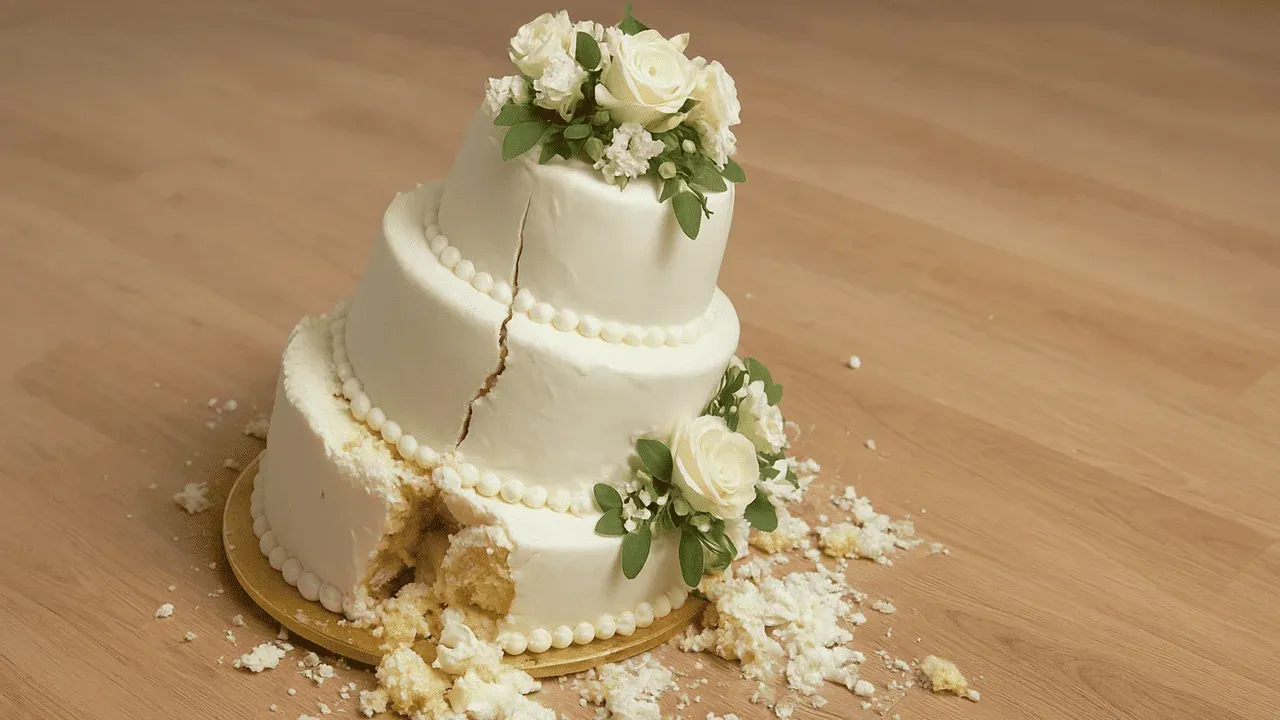
Planning a wedding without mistakes: the 10 most common errors (and how to avoid them)
Organizing a wedding is an exciting adventure, a journey filled with choices, emotions, and expectations. But, like any major project, weddings also come with obstacles, unforeseen issues, and decisions that need careful attention. Couples, even the most precise and organized, often stumble on small mistakes that, when combined, can impact the final outcome.
The good news is that knowing the most common pitfalls in advance allows you to avoid them easily, turning the planning into a pleasant, straightforward, and rewarding experience. Here are the 10 most frequent mistakes in wedding planning along with all the tips to prevent them.
1. Not setting a realistic budget
Defining a budget is not just a technical step: it is the real starting point for the entire planning. Many couples begin contacting vendors or visiting venues without a clear idea of the total cost, risking falling in love with options that are out of reach or having to make painful compromises at the last minute.
A well-structured budget should include:
- the total amount not to be exceeded
- a breakdown by category (venue, catering, photo/video, music, flowers…)
- a 10–15% margin for any unexpected expenses
Having a clear overview allows making informed choices and maintaining control, experiencing the planning with greater peace of mind.

2. Underestimating the guest list
The guest list is one of the most delicate elements of the entire wedding. Many couples postpone it, thinking it can be defined calmly at a later time. In reality, this choice affects almost every aspect of the event: from the choice of venue to the catering size, from overall costs to favors.
It is essential to draft an initial version right from the start and update it over time. Additionally, it can be very useful to estimate the actual attendance percentage (usually between 80% and 90%), especially if there are guests traveling from afar.
3. Booking the venue too late
The venue is the heart of the wedding: it defines the atmosphere, style, and often the overall budget. One of the most common mistakes is considering it too late, when the most desired locations have already been booked long ago.
Some venues are confirmed 12, 18, or even 24 months in advance, especially in the most popular seasons. Delaying this decision can mean having to give up the dream setting or accept alternative dates that are not always ideal.
4. Neglecting the backup plan in case of bad weather
The backup plan is not a detail to deal with “later”: it is an essential component, especially when it comes to outdoor weddings.
A very common mistake is imagining the perfect day while overlooking even the simplest variables such as rain, strong wind, or temperatures that are too high or too low.
The backup plan must be solid, realistic, and as well-prepared as plan A. Whether it is an elegant marquee, an indoor hall, or a covered veranda, the alternative solution must be seen, approved, and planned. Remember: the backup plan could become the highlight of the day.
5. Not relying on professionals
Many couples think they save money by choosing improvised suppliers or relying on casual acquaintances. But a wedding is a unique event, with tight schedules and heavy emotional weight. Professionals are needed who can handle unforeseen situations, coordinate with each other, and work under pressure.
An inexperienced photographer, an amateur florist, or an unprofessional caterer can compromise the entire event. Relying on industry experts means real guarantees, quality, and a flawless result. Additionally, a wedding planner can also help optimize the budget, select the right vendors, and prevent issues.

6. Ignoring the timing of the day
A successful wedding is one that “flows,” where every moment fits harmoniously into the next.
One of the most common mistakes is neglecting the day’s schedule. Without proper timing, there’s a risk of long waits between phases, leading to bored guests. It’s easy to cause delays that can create difficulties for the kitchen and will directly impact guests’ satisfaction.
A wedding planner can create a precise timeline and handle any delays, ensuring smoothness and rhythm throughout the event.
7. Forgetting practical details for guests
A well-organized wedding also focuses on the guests. Many couples concentrate on aesthetics, decorations, and personal details but overlook the practical needs of attendees. Commonly neglected aspects include clear directions to the venue, easily accessible parking, options for guests with intolerances or allergies, transportation solutions for isolated locations, and small comforts that make a difference, such as fans, blankets, mosquito nets, or umbrellas.
Good hospitality makes the wedding memorable… even for those attending as guests.
8. Wanting to do everything alone
Enthusiasm is a wonderful engine, but it can lead to overload. Many couples think they can handle every detail, from finding vendors to coordinating the wedding day, without considering that organizing a wedding requires skills, time, and a great deal of energy.
Delegating – to a wedding planner or trusted people – reduces stress and allows the couple to enjoy the journey without exhaustion. Maintaining control over decisions is important, but surrounding yourself with professionals makes everything smoother and more enjoyable.
9. Neglecting makeup, hairstyle, and dress fittings
The bride’s – and groom’s – look should never be left to chance. Postponing dress, makeup, or hairstyle trials too much can cause anxiety, delays, and unsatisfactory results. It is essential to carefully schedule multiple dress fittings, plan the makeup and hair trial well in advance, assess the durability and longevity of the makeup throughout the day, and prepare a small emergency beauty kit for the wedding day. Feeling beautiful, confident, and completely comfortable is vital, especially since photos and videos will capture every detail.
10. Not enjoying the preparations
Perhaps the greatest mistake of all: experiencing the months before the wedding as a source of stress rather than a wonderful phase of life.
The preparations should be part of the memory, not an obstacle to overcome. With proper organization, professional support, and good distribution of tasks, it is possible to turn every step – choosing the dress, tastings, fittings, meetings with vendors – into happy moments to remember with a smile.
Conclusion: planning with peace of mind
Avoiding these mistakes means creating an elegant, harmonious, and well-organized wedding, without giving up the magic of the journey. From defining the budget to managing vendors, from caring for the guests to the schedule of the day, every step helps create a truly unique event.
With good planning and the support of the right professionals, even the preparations become part of the dream.
Let's start planning together
Tell us your story and we will help you create a unique wedding, with every detail taken care of.
Request a free quoteFrequently asked questions
You might also like
Continue exploring ideas and advice for your wedding in Umbria and beyond.

Advice
Religious, civil, or symbolic wedding: what really changes
Decorations
Original ideas for a wedding seating chart that will amaze
Planning and Budget
Low-Cost Wedding: How to Save Without Giving Up Style