Planning and Budget
Wedding Checklist: what to do 12, 9, 6, and 3 months before the wedding


Organizing a wedding is an exciting but often complex journey that requires attention, method, and clear time planning. Having a well-defined checklist allows you to proceed step by step, avoiding stress and rushed decisions. Here is a detailed guide to understand what to do in the 12, 9, 6, and 3 months leading up to the big day, useful for every couple and perfect to follow with the support of a wedding planner.
12 months before: laying the foundation of the wedding
One year before the wedding, you officially enter the heart of the preparations. This is the most strategic phase, where the foundations of the entire organization are set.
The first step is to define the wedding budget, an essential element for making consistent and informed decisions. Having a clear view of the costs helps to avoid surprises and properly distribute expenses among the venue, catering, dresses, decorations, and entertainment.
At the same time, it is essential to start drafting the guest list. Although it may change over the months, having an initial estimate of the number of guests helps to select the most suitable venue and request realistic quotes from suppliers.
At this point, you can proceed with two crucial choices: the date and the venue. The most in-demand venues often have very long booking times, especially during the most popular wedding months. Booking the venue early ensures securing the desired space and planning everything around it, such as setups and services.
If you decide to work with a wedding planner, this is the ideal time to contact one. A professional can help define the style, keep the budget under control, select the best suppliers, and manage unforeseen events and deadlines methodically.
Even at this initial stage, it is helpful to start outlining the theme or style of the wedding. Whether it is an elegant, rustic, modern, or romantic wedding, having an aesthetic direction guides the choice of invitations, color palette, flowers, table settings, stationery, and even dresses.
Finally, it is advisable to book the most sought-after professionals well in advance: photographer and videographer. These figures are essential for capturing the day and, often, their schedules fill up many months ahead.

9 months before: finalizing suppliers and main details
Nine months before the wedding marks the operational phase, where many ideas begin to take concrete shape.
It is the perfect time to start looking for the wedding dress and defining the groom’s style. Ateliers usually require several fittings and technical time for any alterations, so starting early allows for a calm process. The groom should also begin considering his outfit now, especially if he wants a custom-made suit.
At the same time, key suppliers such as the catering or restaurant should be confirmed. At this stage, it is possible to discuss menus, room arrangements, wine lists, and personalized proposals based on guests’ needs.
Another element not to be underestimated is the musical entertainment. Whether it’s a DJ, a live band, or classical musicians, booking early ensures the availability of the most requested professionals and allows planning playlists, musical moments, and any special requests.
Around nine months out, invitations, stationery, and wedding favors also start to be designed, especially if you want graphics coordinated with the chosen theme. Planning the paper elements in advance provides the time needed for drafts, changes, and printing.
Finally, it is the right time to meet the florist. Defining bouquets, centerpieces, arrangements, and colors allows aligning the floral aspect with the overall wedding style and best organizing the logistics for the event day.
6 months before: getting into concrete details
Arriving at six months before the date, most of the main decisions have been made. Now the work focuses on the concrete details, the ones that make a wedding truly harmonious.
One of the first steps is sending the save the date, especially if there are guests coming from far away or who need to arrange flights and accommodations. A clear message with date, location, and initial information allows guests to plan in advance.
Regarding the outfit, it is time for the first official fittings, during which lengths, fabrics, shoes, and accessories are evaluated. The bride can also take advantage of this phase to start planning makeup and hairstyle, while the groom can define details like cufflinks, shoes, or bow tie.
An often underestimated aspect is the logistics of transportation. At six months, it is advisable to book cars, shuttles, or other means to ensure smooth travel for both the couple and the guests. Likewise, reserving some hotel rooms near the venue offers comfort and convenience, especially for those coming from out of town.
This is also the ideal phase to organize more technical meetings with suppliers, useful for coordinating timing, setups, and operational methods. Aligning all involved parties reduces the risk of unforeseen events on the wedding day.
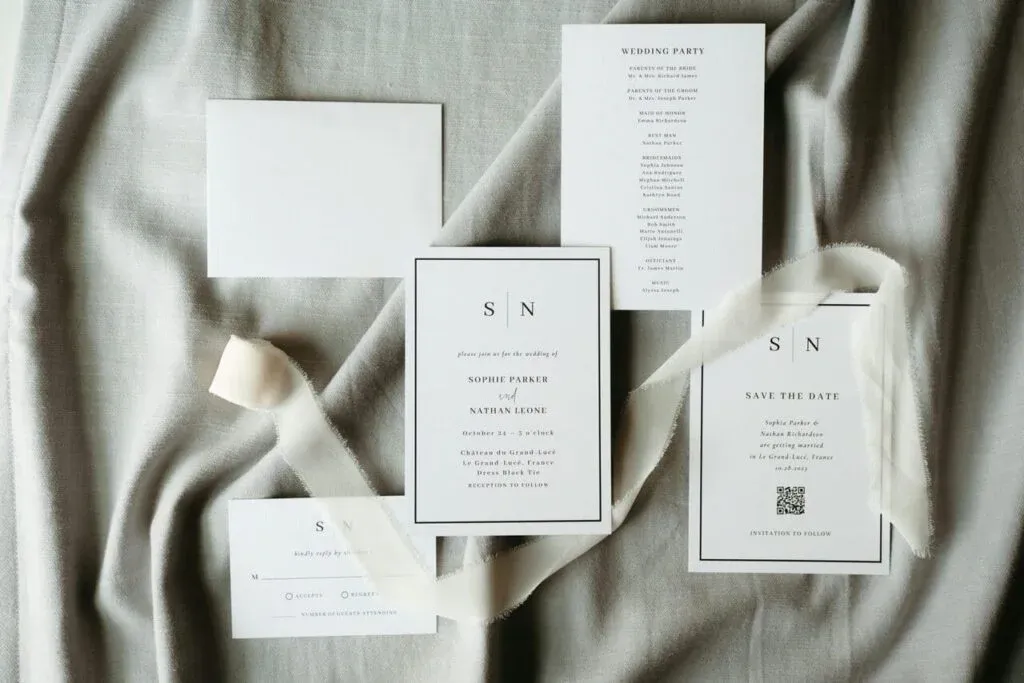
3 months before: final confirmations and finishing touches
The last three months before the wedding represent the time for final confirmations and decisive finishing touches.
The invitations must be sent and the couple should start gathering RSVPs to define the exact number of guests. The menu and drinks must also be finalized, communicating any special needs to the catering such as allergies, celiac disease, or vegetarian/vegan requests.
A crucial step is the makeup and hairstyle trial for the bride (and for any bridesmaids or witnesses). This allows checking the durability, photographic effect, and consistency with the dress, avoiding surprises on the day of the event.
At this stage, the tableau de mariage and the seating plan are also created, key elements for the organization of the venue. Arranging guests harmoniously requires logic, balance, and a touch of sensitivity to avoid uncomfortable situations.
The final months are also dedicated to confirming decorations, music, photography, videography, and favors. Every detail is reviewed and finalized to ensure everything is perfectly coordinated and ready for the big day.
Conclusion: a perfectly organized wedding
Following a clear and detailed wedding checklist allows you to experience the entire preparation process more peacefully. Having a well-defined timeline helps prevent unforeseen events and make more informed decisions, turning the organization into a pleasant and stress-free experience.
From choosing the location to the final confirmations of the tableau de mariage, planning methodically enables the creation of an elegant, coherent, and above all, memorable wedding. With the help of a wedding planner, every step becomes even easier, allowing you to focus on the emotions and beauty of your special day.
Let's start planning together
Tell us your story and we will help you create a unique wedding, with every detail taken care of.
Request a free quoteFrequently asked questions
You might also like
Continue exploring ideas and advice for your wedding in Umbria and beyond.

Planning and Budget
How Much Does a Wedding Really Cost in Italy? 2026 Guide

Planning and Budget
Low-Cost Wedding: How to Save Without Giving Up Style
Decorations
Original ideas for a wedding seating chart that will amaze